
What Does a Productive Preschool Day Look Like? The Activities That Balance Learning, Play, and Independence

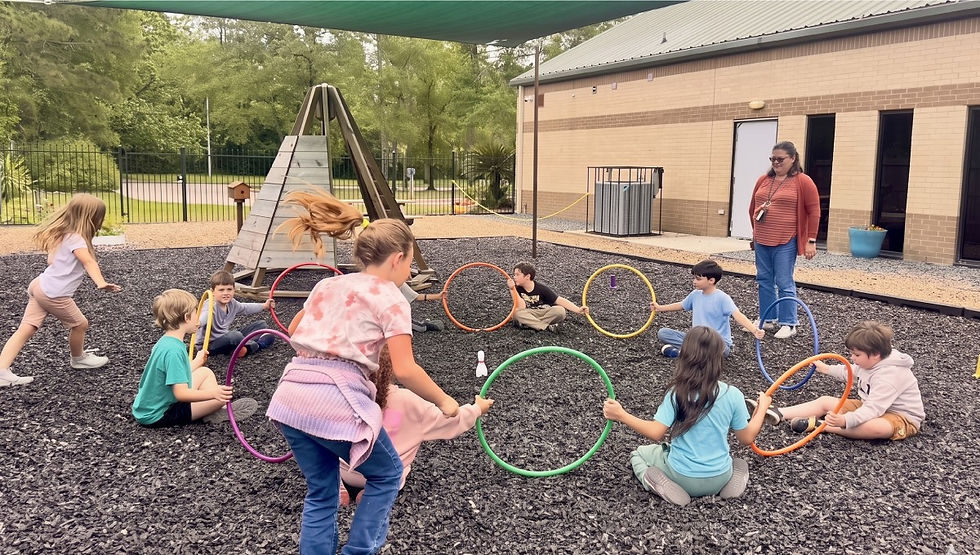
A productive preschool day gives children time to learn, explore, play, and care for themselves. Through meaningful early childhood activities, children practice everyday skills while discovering letters, numbers, nature, and the world around them. A balanced routine also gives them time to rest, move, and build friendships. These experiences prepare young learners for new challenges at school and beyond.
What Makes a Preschool Day Productive?
A good day combines focused learning with movement, group activities, meals, and rest. Children benefit from a familiar routine, along with opportunities to choose activities that match their interests and abilities. At Kingwood Montessori School, children ages 3–5 learn in a prepared classroom with guidance from teachers. The regular school day runs from 8:20 a.m. to 3:30 p.m.
How Early Childhood Activities Build Everyday
Independence
Children build independence by practicing small tasks every day. They learn to care for themselves, handle classroom materials, and look after their surroundings.
Examples include:
Washing hands, hanging up coats, and using dressing frames.
Pouring water, preparing food, sweeping, and washing tables.
Carrying trays and returning materials after an activity.
These tasks strengthen hand control, coordination, concentration, and responsibility. Children also learn to complete activities and care for their learning space.
How Hands-On Activities Introduce Early Reading and Math
Children can explore early academic ideas through physical materials. Instead of only listening to instructions, they touch, move, match, and repeat activities.
Learning area | Example activity | Skill practiced |
Language | Sandpaper letters | Letter shapes and sounds |
Math | Number rods | Number order and quantity |
Reading | Matching objects and pictures | Naming and recognition |
Writing | Metal insets | Hand control |
Teachers introduce lessons based on each child’s progress, allowing skills to develop step by step.
Why Sensory Play, Science, and Nature Matter
Sensory materials encourage children to compare colors, sounds, textures, shapes, and weights. Color boxes, sound cylinders, fabric sorting, and touch tablets make these discoveries hands-on.
Science activities introduce weather, plants, animals, living and non-living things, and magnetism. Nature observation and outdoor experiences give children more chances to explore their surroundings and ask questions.
How Outdoor Play and Group Activities Support Social Skills
Outdoor play gives children time to move and explore. Group stories, songs, and shared activities provide practice in listening, speaking, and taking turns.
During these experiences, children learn to:
Share materials and respect others.
Express ideas and take part in group activities.
These daily interactions encourage kindness, cooperation, and confidence.
How Teachers Balance Child-Led Learning With Guidance
Children choose from suitable activities, while teachers observe their progress and introduce lessons that fit their development. Some Montessori materials also allow children to notice and correct mistakes independently. This balance gives children room to make choices while receiving guidance when they need it.
How Preschool Activities Prepare Children for Kindergarten
Kindergarten is included in the Early Childhood program for ages 3–5. Along with early language and math, children practice following routines, completing tasks, caring for materials, and working alongside classmates. These experiences build a foundation for Kindergarten by developing practical skills, communication, and confidence at a pace suited to each child.
Find the Right Early Learning Environment for Your Child
When choosing a preschool, look for a classroom where children can explore, practice daily tasks, and learn at their own pace. During a visit, ask how teachers introduce new skills and balance focused work with play.
At Kingwood Montessori School, families can arrange a campus tour to see how children learn through hands-on early childhood activities, from practical tasks to language and math materials, and how teachers guide their progress.
FAQs
1. What are examples of early childhood activities?
Examples include pouring water, sorting colors, matching pictures, practicing letters, counting with number rods, caring for plants, singing songs, and joining outdoor play.
2. How long is a typical preschool day?
Kingwood Montessori School’s regular school day runs from 8:20 a.m. to 3:30 p.m. Early Childhood families can also choose a half-day schedule ending at noon.
3. How do Montessori activities build independence?
Children practice everyday tasks, choose suitable materials, complete activities, and restore items afterward. Teachers guide them as needed while encouraging responsibility and independent problem-solving.
4. How do early learning activities prepare children for Kindergarten?
Children develop early language and math skills while practicing routines, communication, task completion, and care for materials. These experiences support their transition to more advanced classroom learning.


Comments