
What Is the Role of Daily Routines in Kingwood Montessori’s Toddler and Early Childhood Education Programs?

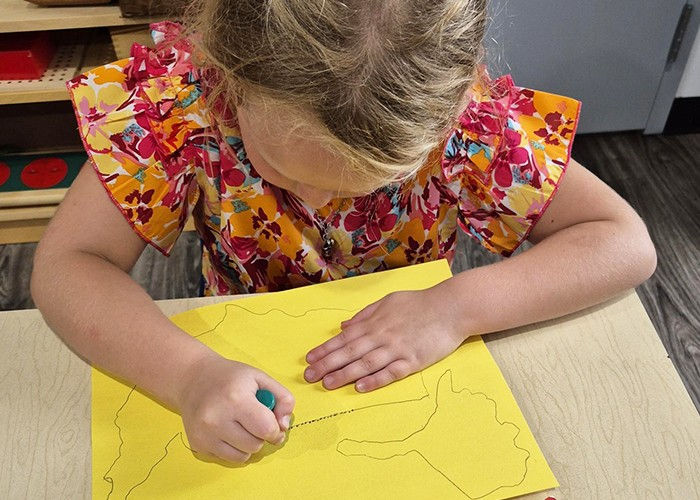
A steady daily routine gives young children a sense of comfort and order. At Kingwood Montessori, early childhood education combines daily activities, hands-on learning, and growing independence. From morning songs to outdoor play, children learn through the things they do each day.
How Daily Routines Introduce Children to Early Childhood Education
Young children learn by doing things again and again. A familiar routine helps them understand what comes next and feel more comfortable in the classroom.
A typical day includes:
Morning circle and group talks
Montessori work time
Outdoor play, meals, and rest
Each activity gives children time to learn, move, talk, and explore. They can also follow their interests while learning to take part in classroom life.
How the Montessori Toddler Program in Kingwood Builds Familiarity Through Routine
The Toddler Program is for children between 18 months and 3 years old. It introduces them to Montessori learning through hands-on activities, daily routines, and age-appropriate lessons.
Starting school can be a big change for a young child. To make this change more comfortable, children can begin by attending for a few hours. This gives them time to get to know:
Their teachers
Their classroom
The school environment
The transition is based on the child’s age and needs. Each child does not have to follow the same adjustment schedule.
Morning Circle and Montessori Work Time
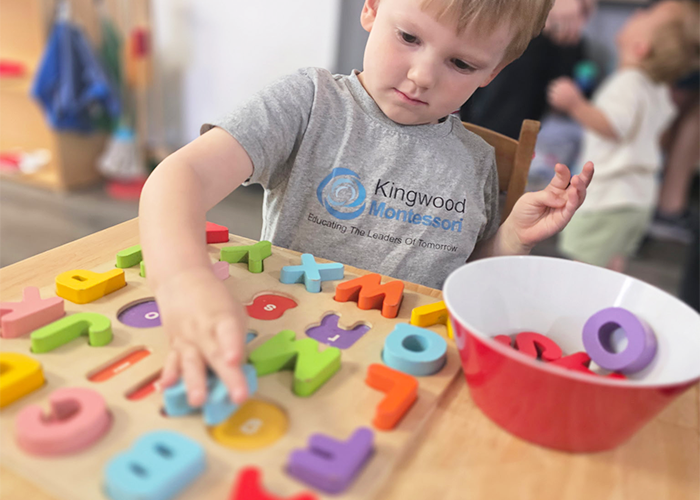
Morning circle brings children together at the start of the day. Songs, talks, and group activities give children a chance to listen, speak, and join in. During Montessori work time, children use materials that match their stage of growth. Activities such as sorting, stacking, matching, and pouring support learning through touch and movement. Children can explore activities while teachers watch their progress and offer guidance when needed.
How Practical Life Activities Build Independence
Daily tasks can become learning activities. Children practice useful skills while learning to care for themselves and their classroom.
Examples include:
Pouring and sorting
Cleaning up after an activity
Taking care of classroom materials
In the Early Childhood classroom, children may also practice buttoning, tying shoes, and keeping their work area neat. These tasks build hand control, focus, and independence.
The Role of Outdoor Play, Mealtimes, and Rest
Learning does not happen only at a table. Outdoor play gives children time to move, explore nature, and use their large muscles.
Mealtimes also support learning. Children take part in serving and cleaning up meals, which teaches them to take responsibility for everyday tasks.
The Toddler Program includes scheduled naptime. This gives children a quiet period to rest during the day.
Together, these activities create a balanced routine with time for learning, play, food, and rest.
Supporting Individual Learning and Development Through Daily Activities
Every child grows at a different pace. Teachers consider each child’s needs, interests, and current skills when guiding activities.
Daily activity | What children practice |
Morning circle | Listening and communication |
Montessori work | Focus and hands-on learning |
Practical life | Independence and coordination |
Outdoor play | Movement and exploration |
Mealtimes | Responsibility and social skills |
Through these daily routines, early childhood education becomes a hands-on experience where children build independence, strengthen social skills, and learn at their own pace.
Preparing Toddlers for the Early Childhood Classroom
The Toddler Program introduces children to routines and Montessori learning before they move to the next stage. After the introductory period, children can continue into the 3–6 Early Childhood classroom, with placement discussed with the school.
The Early Childhood program includes practical life activities, sensorial exercises, and self-correcting materials. Children can follow their interests, practice self-discipline, and work at their own pace.
A familiar routine gives children a steady base as their learning needs change.Explore the Montessori Toddler Program in Kingwood
Give your child a caring place to learn through daily routines, hands-on activities, and growing independence. Contact Kingwood Montessori School to learn more about the Montessori toddler program in Kingwood and discuss the next steps for enrollment.
FAQs
1. What age group does the Montessori Toddler Program serve?
The program serves children from 18 months to 3 years. It includes Montessori activities, daily routines, independence, and hands-on learning.
2. Does the Toddler Program include nap time?
Yes. The program includes scheduled naptime, giving children a quiet period to rest during their school day.
3. How do toddlers become familiar with school routines?
Children can start by attending for a few hours. This helps them become familiar with their teachers, classroom, and daily activities.
4. What comes after the Montessori Toddler Program?
Children can move into the 3–6 Early Childhood classroom after the introductory stage. Families should discuss placement details with admissions.


Comments