
Why Do Children Practice Pouring, Tidying, and Buttoning at a Montessori Preschool in Kingwood?

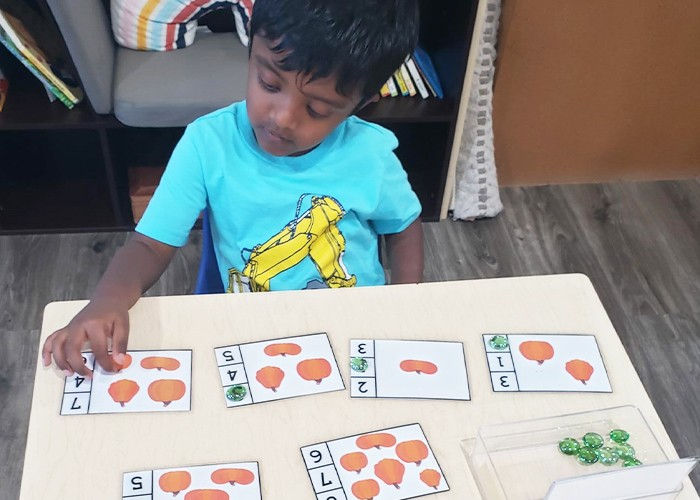
Children learn more than school lessons during their early years. They also learn how to care for themselves, use their hands, and take care of the space around them. Pouring water, putting materials away, and buttoning a jacket are small tasks with real learning value. At a Montessori preschool in Kingwood, these activities give children time to practise useful skills through daily, hands-on experiences.
How Practical Life Activities Build Early Independence
Practical life activities teach children how to manage everyday tasks. Instead of having an adult do everything, children get time to try things on their own.
These activities support:
Better hand and body control
Greater care during daily tasks
Confidence when trying something new
Children can practise at their own pace. With steady guidance, they learn to complete tasks, notice mistakes, and try again. This builds independence during early childhood.
What Pouring Activities Teach Children Beyond
Everyday Skills
Pouring water looks easy, but it takes care and control. A child needs to hold the container, guide the water, and watch the flow.
During this activity, children practise:
Hand-eye coordination
Focus and careful movement
Control over small actions
If some water spills, the child can learn to clean it up and try again. This turns a daily task into a learning experience. It also teaches children that mistakes are part of practice.
How Tidying Helps Children Develop Responsibility
Tidying teaches children to care for their classroom. After using an activity, they learn to return the materials to their proper place.
This routine teaches children to:
Look after shared materials
Keep their work area neat
Think about the next person using the space
A prepared classroom gives children access to organized materials. This supports independent choices and teaches them to care for their surroundings.
Why Buttoning and Self-Care Tasks Matter in Early Childhood
Buttoning a jacket and tying shoes take time and practice. Children use their fingers, hands, and eyes together to complete these tasks. These activities support fine motor skills, patience, and self-care. Every child develops at a different pace, so teachers give children time to practise without rushing them. The focus is not on finishing first. It is on learning how to do a task with growing confidence.
How Montessori Teachers Guide Children Through Practical Activities
Children can choose activities based on their interests. However, their choices take place in a prepared classroom with clear guidance.
Teachers observe children and choose activities that suit their needs and abilities. They guide children when needed and adjust lessons as they grow.
This approach gives children freedom within a safe structure. They can explore, practise, and learn while receiving support from their teachers.
How Hands-On Practice Supports Confidence and Concentration
Practical activities give children a chance to focus on one task. They can repeat the activity, notice what went wrong, and try a new way. Self-correcting Montessori exercises also allow children to notice and adjust their own work. With practice, children begin to trust their abilities. At a Montessori preschool in Kingwood, these activities connect movement, focus, and problem-solving with daily learning.
Final Thoughts: Learning Independence Through Everyday Activities
Pouring, tidying, and buttoning are more than daily chores. They give children useful ways to practise control, focus, self-care, and responsibility. During early childhood, these small tasks can create strong learning experiences. With patient guidance and a well-prepared classroom, children gradually become more confident in managing their own work.
Discover Early Childhood Learning at a Montessori Preschool in Kingwood
Kingwood Montessori School offers an Early Childhood program built around guided choice, practical life activities, hands-on learning, and individual needs. Families can contact the school to learn more about its classroom approach and enrollment availability.
Frequently Asked Questions
Why do Montessori children practise pouring?
Pouring teaches children hand control, focus, and coordination. It also gives them a chance to practise a daily task, notice spills, and try again.
How does tidying support preschool learning?
Tidying teaches children to care for materials, keep their space neat, and take responsibility after an activity. It also supports classroom order and daily routines.
Why do children practise buttoning?
Buttoning supports finger control, patience, coordination, and self-care. Children get time to practise this skill at a pace that suits their development.
How do teachers guide practical life activities?
Teachers observe children, offer suitable activities, and guide choices when needed. They adjust lessons to support each child’s needs and growing independence.

Comments